

The Secret Life of Baby Galapagos Sharks
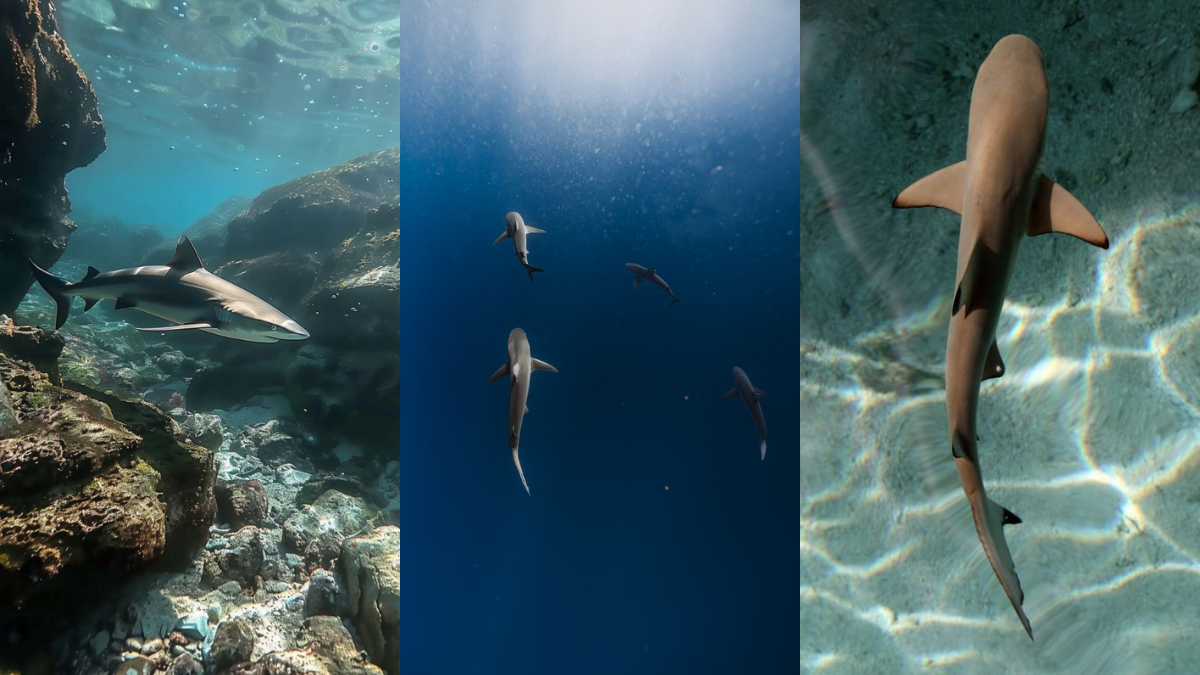
The Galápagos Islands are home to an incredible variety of marine life, including sharks that begin their journey in some of the archipelago’s most protected coastal habitats. After a gestation period of 11 to 12 months, female sharks give birth to four to six pups, which must immediately face the challenges of survival.
Instead of venturing into the open ocean, baby sharks seek refuge in shallow waters and sheltered coastal areas. These environments protect from predators such as larger sharks and sea lions, giving young sharks a safer place to grow during their most vulnerable stage of life.
Mangrove ecosystems, particularly those near Puerto Ayora, play a crucial role as natural nurseries. Their tangled roots offer hiding places and support abundant marine life, providing juvenile sharks with both shelter and a reliable food source.
During their first year, these nursery habitats become a training ground where young sharks learn essential survival skills. They practice navigating currents, finding food, and developing hunting abilities that will prepare them for life in deeper waters as they mature.
The conservation of mangroves and coastal habitats through the Galápagos Marine Reserve is vital for maintaining healthy shark populations. These protected areas ensure that young sharks can thrive, contributing to the balance and biodiversity of one of the world’s most extraordinary marine ecosystems.