

Hacienda Molino San Juan
Where History and Andean Hospitality Come to Life
What if your next journey through Ecuador took you to a place where time moves a little more slowly? Imagine waking up surrounded by nature and walking through an old hacienda filled with stories. Along the way, you discover traditions passed down through generations.
Just a few kilometers from Cayambe, in the Ecuadorian Andes, Hacienda Molino San Juan invites you to see Ecuador from a different perspective.
Where Is Hacienda Molino San Juan?
The hacienda sits in the Cayambe area, in the province of Pichincha. It lies about 6 kilometers from Cayambe, across from the community of Santa Clara, along the Panamericana Norte toward Otavalo. Quito is only an hour away, so it makes an ideal stop for travelers exploring the Andes.
Moreover, its location lets you combine your stay with visits to Cayambe, the surrounding countryside, and the famous flower-producing region. However, the location is only the beginning. The real story starts when you step inside.
A Hacienda With More Than Four Centuries of History
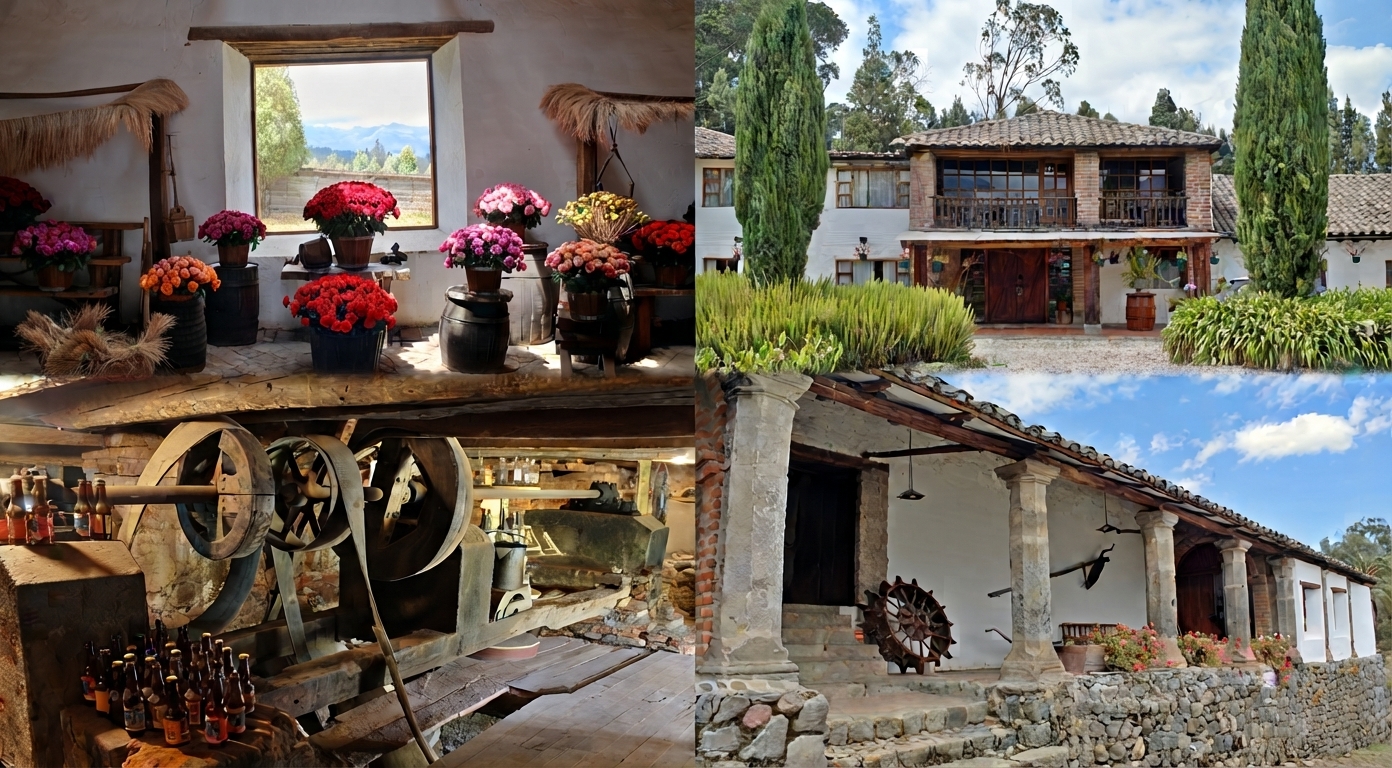
Molino San Juan is not simply an old property converted for travelers. Its history goes back to the 16th century, with the first land assignments in the Cayambe region dating to 1584. Over the centuries, the hacienda passed through different owners and left behind a remarkable architectural legacy.
One of the most fascinating chapters began with the Jesuits. They developed agricultural activities and built several structures, including the small chapel you can still visit today. As a result, the adobe walls and historic buildings still recall the time when the property belonged to the Hacienda Compañía de Jesús.
From the Jesuits to the Jarrín Family
In 1767, King Charles III ordered the expulsion of the Jesuits from Spain and its colonies. Afterward, the hacienda passed through several hands, including the Junta de Temporalidades and private owners such as Mariano Gangotena and Ramón Paz y Miño.
Then the Jarrín family entered the story. The hacienda’s own historical account places the transfer in 1864, while a National Academy of History publication points to 1815. Either way, the family has preserved the property for more than eight generations. That continuity makes Molino San Juan a living family legacy rather than a simple restored hacienda.
The Story of the Great Hydraulic Mill
Aquiles Jarrín, remembered as “The Great Gentleman of the North,” had an ambitious idea at the end of the 19th century. He wanted to bring a large hydraulic mill from France to Cayambe. The French company Cusson designed the machinery, and ships carried it to Guayaquil. From there, mules hauled the enormous pieces across the Ecuadorian landscape.
By around 1890, the mill was operating. It processed wheat, barley, and corn into flour, supplying communities in northern Ecuador and even reaching Colombia.
For the people of Cayambe, the mill was more than an agricultural facility. Farmers arrived with sacks of grain, waited for their turn, and exchanged stories and news. Therefore, the sound of rushing water and the smell of freshly ground grain became part of everyday life.
The mill stopped operating in 1972, when technological advances made its original system obsolete. Rather than let the story disappear, the Jarrín family chose to preserve it.
Where Animals Once Lived, Guests Now Rest
The spaces where guests sleep today once had a very different purpose. Before becoming accommodation, parts of the hacienda housed horses and cattle. The architecture still tells that story.
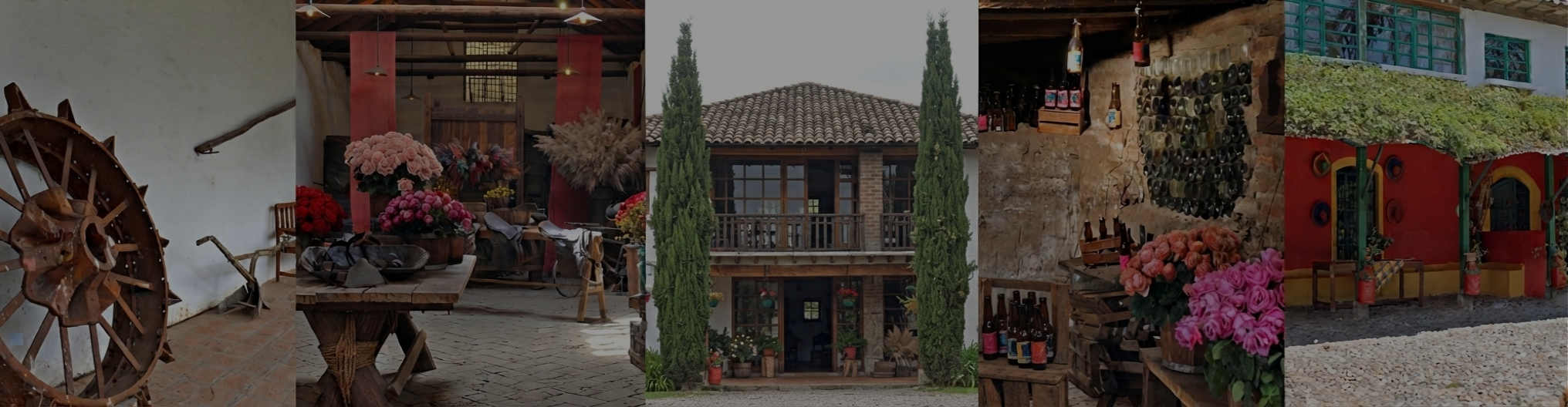
As you walk through the property, you can spot areas where animals once drank water and where workers kept their food. Additionally, traces of old fences and enclosures remain visible. In this way, the architecture becomes an open-air history lesson.
Today, guests sleep peacefully within the same walls that once formed part of the working hacienda. Away from the city’s noise, the atmosphere feels calm and deeply connected to the landscape. Staying here means sleeping inside a piece of Ecuadorian history.
Slow Down and Enjoy the Hacienda
At Molino San Juan, there is no need to rush. Guests can walk across the grass, enjoy the open spaces, and spend time around the horse area. The horse courtyard, in particular, gives the hacienda its rural character.
After days of sightseeing, it feels refreshing to simply breathe the cool Andean air and enjoy the quiet. Often, these moments become the most memorable parts of a journey.
Discovering the World of Ecuadorian Roses
When talking about Cayambe, it is impossible not to mention roses. The region is internationally recognized for its flower production, and roses have become part of the area’s identity and economy.
At Molino San Juan, visitors discover this world in a more personal way. Inside one of the hacienda’s houses, guests learn about the different rose varieties associated with the property. Consequently, a rose becomes more than a beautiful flower. Behind it lies a story of land, cultivation, work, and generations of Ecuadorian tradition.
A Story Connected to Saint Mariana of Jesus
The hacienda’s history also connects with one of Ecuador’s most important religious figures: Saint Mariana of Jesus, known as the Lily of Quito. Mariana was born in Quito in 1618 and spent part of her childhood in the Cayambe area. Her family connections brought her close to Hacienda Granobles, while the nearby Jesuit hacienda shaped the religious environment of her early life.
Visitors can explore the small historic chapel and learn how the hacienda, the Jesuits, and Mariana’s traditions connect. Her story, however, lives on through food as well as architecture.
Uchujacu: A Taste With a Story
Guests can try uchujacu soup, a traditional dish built around a flour made from six different grains. This flour reflects the diverse agricultural traditions of the Ecuadorian Andes.
According to the tradition shared at the hacienda, Mariana knew this preparation and consumed it as a source of energy for her daily activities. Thus, a bowl of soup becomes a way of connecting food with history. Sometimes, a traditional recipe tells you as much about a place as a monument does.
From the Table to the Kitchen
Travelers who want a hands-on experience can join cooking classes at Molino San Juan. Instead of simply tasting Ecuadorian food, visitors help prepare traditional recipes and learn the techniques behind them.
One experience teaches you how to make tortillas de tiesto, a preparation deeply tied to Andean cooking. You may return home with photographs, memories, and even a new recipe to recreate in your own kitchen.
More Than a Visit: A Different Way to Discover Ecuador
At Hacienda Molino San Juan, different pieces of Ecuadorian heritage come together in one place. You can walk through historic spaces, discover Ecuadorian roses, explore the old chapel, taste traditional food, and join cooking experiences. Every activity reveals another part of the hacienda’s identity: history, nature, gastronomy, faith, and family heritage.
When travelers think of Ecuador, they often imagine the Galápagos Islands, the Amazon rainforest, or Quito’s historic center. Yet Ecuador has another side, a quieter one, found in old haciendas, family recipes, and rural landscapes.
Here, history is not locked away inside a museum. It lives in the adobe walls, the old mill, the chapel, and even the spaces where animals once lived and travelers now rest. From the Jesuits to the Jarrín family, Molino San Juan continues to connect Ecuador’s past with its present.
Some places impress you with their landscapes, and others with their architecture. This one stays with you because of the stories it tells. Come rest, taste, learn, and discover what it feels like when time moves a little more slowly in the Ecuadorian Andes.