

Colada Morada and Guaguas de Pan
Discover Ecuador’s Flavors and Traditions
What if you could discover Ecuador’s history, culture, and ancestral traditions through a traditional drink and a sweet piece of bread?
Every October, Ecuador fills with the aromas of cinnamon, cloves, fresh fruit, and freshly baked bread. At this time of year, families, bakeries, and local markets prepare two beloved specialties: colada morada and guaguas de pan.
More than traditional foods, these treats represent remembrance, family, and Ecuadorian cultural identity. Therefore, tasting them offers visitors a delicious way to connect with the country’s traditions.
The History Behind Colada Morada and Guaguas de Pan
Every year on November 2, Ecuador celebrates Día de los Difuntos, also known as the Day of the Deceased. This national holiday honors loved ones who have passed away.
The tradition has roots in Indigenous Andean customs. Historically, communities honored their ancestors and recognized the connection between life, death, and nature. Over time, these practices blended with Catholic traditions, shaping the celebration that Ecuadorians observe today.
During this meaningful occasion, families may visit cemeteries, bring flowers, and share memories of their loved ones. In addition, many gather to enjoy traditional foods that connect generations.
Although the main celebration takes place on November 2, colada morada and guaguas de pan appear in bakeries and markets throughout October and early November. As a result, this season offers a wonderful opportunity to experience Ecuadorian culture through its cuisine.
Colada Morada: A Traditional Ecuadorian Drink
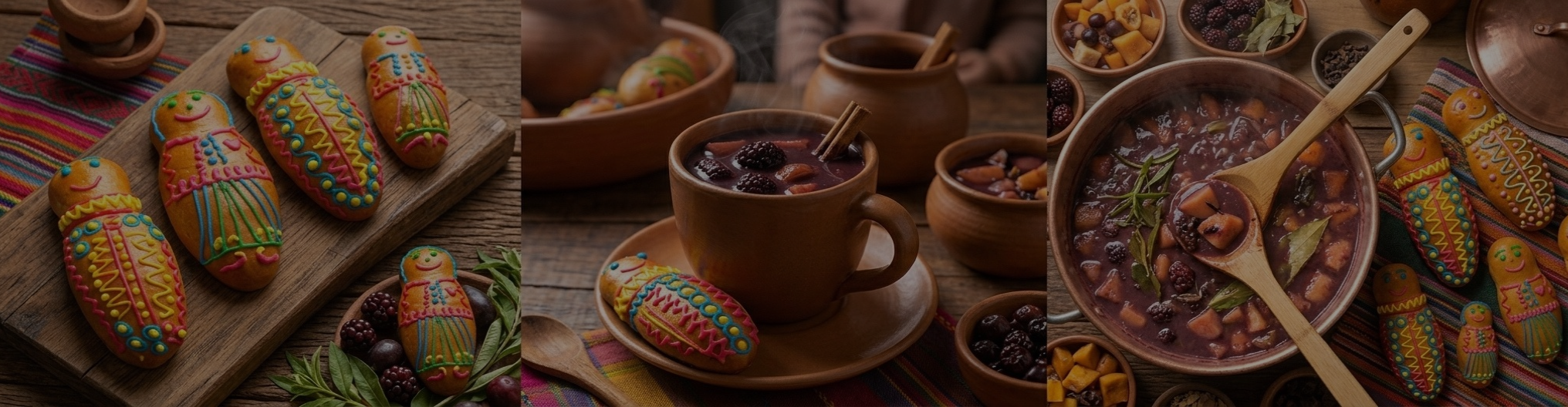
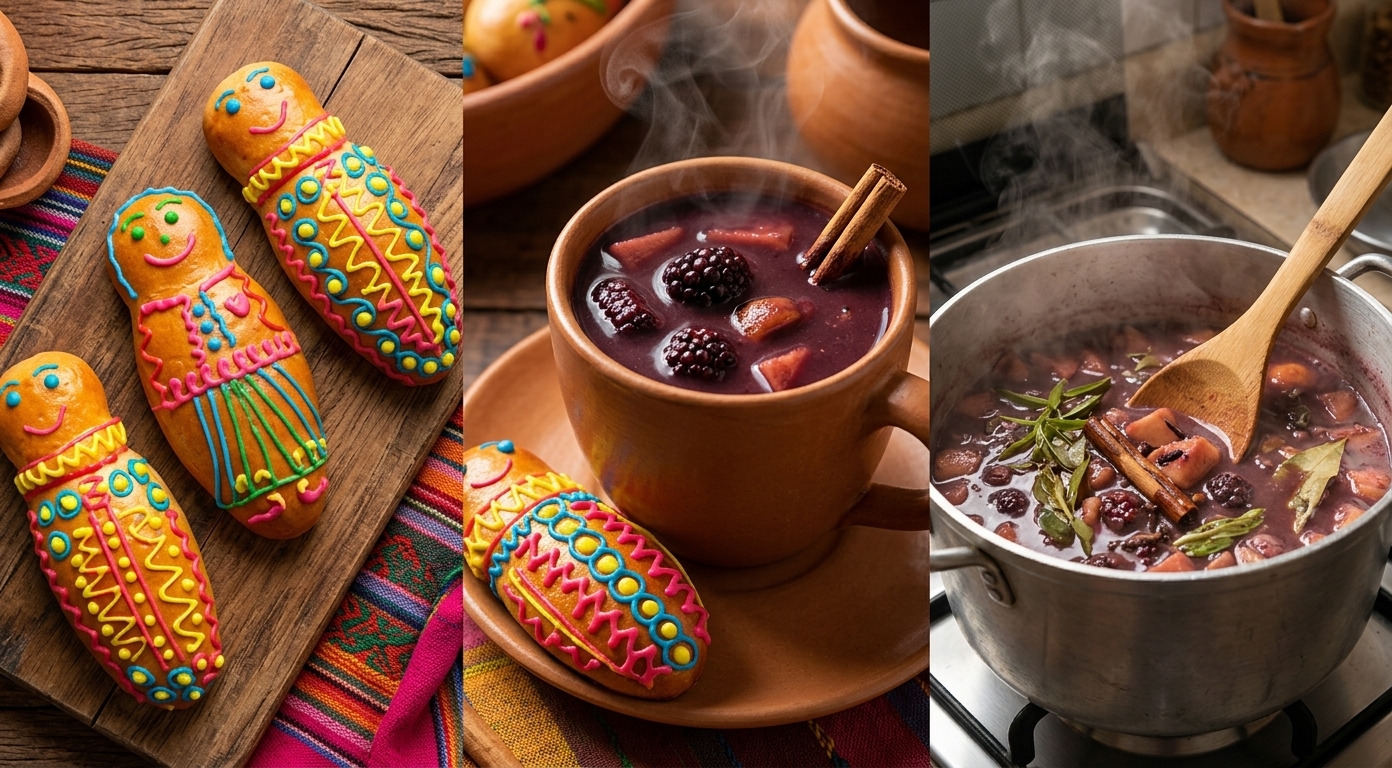
Colada morada is a thick, aromatic purple beverage made with fruit, herbs, spices, and purple corn flour. Its deep color comes largely from mortiño, a small Andean berry, combined with other dark fruits.
Traditional recipes often include blackberries, pineapple, naranjilla, babaco, cinnamon, cloves, and panela or sugar. Additionally, aromatic herbs such as lemon verbena and cedrón give the drink its distinctive fragrance.
What Does Colada Morada Taste Like?
Each sip combines fruity sweetness with warm spices and herbal notes. The result is a rich, comforting drink that reflects Ecuador’s remarkable variety of local ingredients.
However, there is no single recipe followed by every family. Many households preserve their own versions, passing ingredients, techniques, and memories from one generation to the next.
Consequently, tasting colada morada is not just about discovering a traditional beverage. It is also an opportunity to appreciate the personal stories and family customs behind Ecuadorian cuisine.
Guaguas de Pan: Sweet Bread with a Special Meaning
Guaguas de pan are the traditional companions to colada morada. In Ecuadorian Kichwa usage, the word guagua means “child.” Accordingly, these sweet breads take the shape of small human figures.
Bakers often decorate them with colorful icing. Depending on the recipe, they may also contain guava jam, dulce de leche, chocolate, or other sweet fillings.
Why Are Guaguas de Pan Important?
Beyond their sweet flavor, guaguas de pan carry a special cultural meaning. They are associated with remembrance, life, and family traditions during the Day of the Deceased.
Furthermore, preparing and sharing these breads helps families preserve their culinary heritage. The tradition brings relatives together through familiar recipes, shared stories, and memories of loved ones.
For visitors, these colorful breads offer a glimpse into the cultural significance of food in Ecuador. Each one reflects a tradition that continues to connect the past with the present.
Why Are These Ecuadorian Food Traditions So Important?
Colada morada and guaguas de pan symbolize remembrance, family unity, and Ecuadorian identity. Together, they represent a meaningful part of the country’s cultural heritage.
For many Ecuadorians, enjoying these specialties brings back childhood memories. The familiar aromas and flavors return every year, creating a connection between generations.
At the same time, these traditions help visitors understand Ecuador beyond its landscapes and famous attractions. Through local food, travelers can discover the customs, stories, and values that shape everyday life.
Therefore, exploring Ecuadorian cuisine during this season is an enriching way to experience the country’s cultural diversity.
Where to Experience Colada Morada in Ecuador
If you visit Ecuador in October or early November, make time to discover these seasonal specialties.
Start by exploring traditional bakeries and local markets. There, you can find freshly prepared guaguas de pan and different versions of colada morada.
Whenever possible, ask local vendors about their recipes and traditions. This simple conversation can reveal fascinating details about how families celebrate the occasion.
Finally, take the opportunity to enjoy both specialties together. Their combination of fruity flavors, warm spices, and sweet bread offers a memorable introduction to Ecuadorian gastronomy.
Discover Ecuador Through Its Flavors
Colada morada and guaguas de pan offer much more than a seasonal culinary experience. They tell a story of family, remembrance, and traditions that continue to shape Ecuadorian culture.
Whether you are exploring local markets or discovering the country for the first time, these specialties deserve a place on your travel itinerary.
Plan your visit to Ecuador during October or early November, taste these traditional favorites, and discover the stories behind every sip and every bite.